When it comes to commercial building safety, few components are as important, or as overlooked, as fire and smoke dampers. Hidden within HVAC ductwork, these devices play a critical role in slowing the spread of fire and smoke, helping protect occupants and giving first responders valuable time during an emergency.
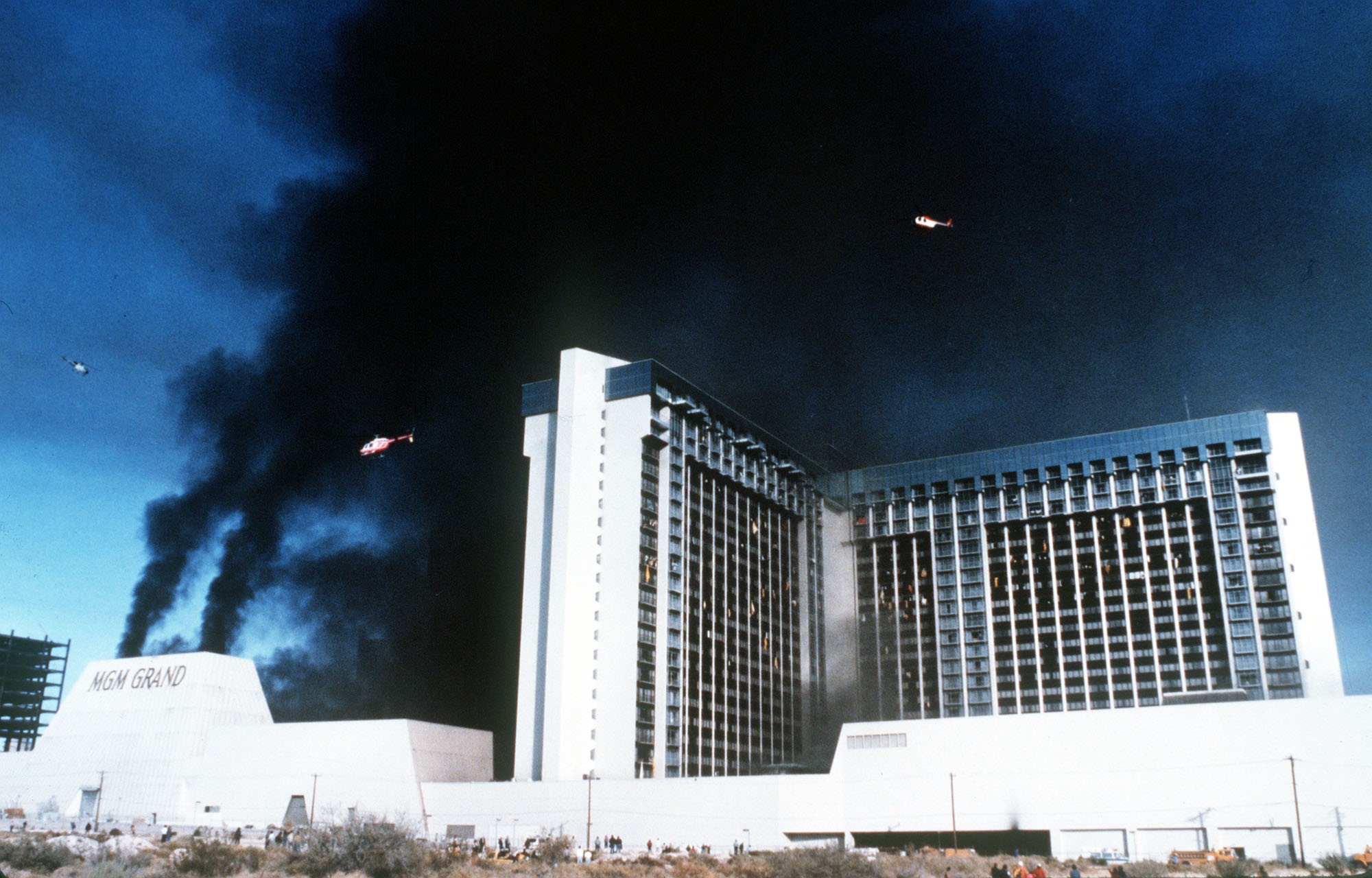
The importance of these systems became painfully clear on November 21, 1980, when a fire at the MGM Grand Hotel and Casino in Las Vegas claimed 85 lives. Although the fire was largely contained to the casino level, smoke traveled rapidly through the building's HVAC system, contributing to the majority of the fatalities. The tragedy exposed shortcomings in smoke control and life safety systems and ultimately reshaped building codes across the United States.
A Defining Moment in Building Safety
The MGM Grand fire became one of the most influential events in the history of fire and life safety. In the years that followed, building codes and industry standards were strengthened, placing greater emphasis on sprinkler systems, smoke control, fire and smoke dampers, commissioning, and ongoing inspection and maintenance.
McKamish has a unique connection to this history.
During the startup and balancing phase of the project's HVAC systems, concerns arose regarding airflow balancing and portions of the air distribution system. While employed by his previous company, McKamish founder Harold McKamish elected to commission an independent engineering review, rather than relying solely on internal project evaluations, to provide an objective assessment of the system and document its findings.
That decision reflected a principle that continues to guide McKamish today: life safety systems should be verified through thorough testing, accurate documentation, and a commitment to doing the job right. Proper installation is only the beginning. Long-term performance depends on ongoing inspection, maintenance, and accountability.
Why Fire and Smoke Damper Testing Matters
Fire and smoke dampers are designed to automatically close when a fire is detected, helping compartmentalize a building and limit the spread of smoke and flames. Like any mechanical device, however, dampers can become inoperable over time due to dust, corrosion, mechanical wear, or changes made to the building.
Because of this, modern building codes require fire and smoke dampers to be inspected and tested throughout the life of a facility.
Current standards, including NFPA 80 and NFPA 105, generally require:
- Initial operational testing following installation
- Acceptance testing after the HVAC system is commissioned
- Inspection and testing one year after acceptance
- Testing every four years in most commercial buildings
- Testing every six years in hospitals and certain healthcare occupancies
Regular testing helps verify that dampers will operate properly during an emergency while providing the documentation needed to demonstrate code compliance.
McKamish's Fire and Smoke Damper Testing Services
Today, McKamish's Service Group helps building owners and facility managers maintain safe, code-compliant buildings through comprehensive fire and smoke damper testing programs.
Our experienced technicians provide:
- Fire and smoke damper inspections
- Functional testing
- Deficiency identification
- Documentation and reporting
- Repair recommendations
- Ongoing compliance planning
Because McKamish has decades of experience with complex mechanical systems, we understand how fire and smoke dampers interact with the overall HVAC system. Our team focuses on delivering accurate testing, clear documentation, and practical solutions that help facilities remain compliant while minimizing disruption to operations.
Be Proactive About Life Safety
Many facility owners don't think about fire and smoke dampers until an inspection is approaching. However, proactive testing can identify deficiencies before they become compliance issues and help ensure these critical life safety systems will perform when they're needed most.
The lessons learned from the MGM Grand fire continue to shape today's building standards. More than four decades later, they serve as a reminder that protecting people requires more than meeting code – it requires ongoing commitment to inspection, testing, and maintenance.
At McKamish, that commitment has been part of our philosophy for decades. Our Service Group is proud to help building owners protect their facilities through reliable fire and smoke damper testing, detailed documentation, and expert support.
If your building is due for fire and smoke damper testing or you'd like to establish an ongoing inspection program, contact the McKamish Service Group to learn how we can help keep your facility safe and compliant.
Key Takeaways
The 1980 MGM Grand fire became a turning point in the development of modern fire and life safety standards.
Fire and smoke dampers help slow the spread of smoke and fire through HVAC systems during an emergency.
Regular inspection and testing are required by NFPA 80 and NFPA 105 to help ensure dampers function properly and remain code compliant.
Fire and smoke damper testing should be viewed as an ongoing maintenance program – not just a requirement before an inspection.
McKamish's Service Group provides comprehensive fire and smoke damper inspection, testing, documentation, and repair recommendations to help building owners maintain safe, compliant facilities.
Need This Service? Submit Request Here!
Frequently Asked Questions
What is a fire damper?
A fire damper is a passive fire protection device installed within HVAC ductwork where it passes through fire-rated walls, floors, or partitions. During a fire, the damper automatically closes to help prevent flames from spreading to other areas of the building.
What is the difference between a fire damper and a smoke damper?
Fire dampers are designed to stop the spread of flames, while smoke dampers are designed to restrict the movement of smoke through a building's HVAC system. Some locations require combination fire/smoke dampers that perform both functions.
How often do fire and smoke dampers need to be tested?
In most commercial buildings, fire and smoke dampers are tested one year after installation and then every four years. Hospitals and certain healthcare occupancies generally require testing every six years. Requirements may vary depending on local codes and building occupancy.
Why is fire damper testing important?
Fire dampers are mechanical devices that can become inoperable over time due to corrosion, dust buildup, building modifications, or normal wear. Routine testing helps verify they will operate properly during an emergency and helps maintain compliance with applicable fire and life safety codes.
What happens during a fire damper inspection?
A qualified technician will inspect each damper to verify it opens and closes properly, examine components for damage or obstructions, document the results, and identify any deficiencies or repairs needed to maintain compliance.
What happens if a fire damper fails inspection?
If a damper does not operate correctly, repairs or replacement may be necessary before the system can be considered compliant. Your service provider should document the deficiency and recommend the appropriate corrective action.
Does McKamish provide fire and smoke damper testing?
Yes. McKamish's Service Group provides fire and smoke damper inspections, functional testing, documentation, deficiency reporting, repair recommendations, and ongoing compliance support for commercial, healthcare, institutional, and industrial facilities.
How can I schedule fire damper testing?
If your building is due for inspection or you're unsure of your current compliance status, the McKamish Service Group can help evaluate your facility, develop a testing plan, and provide the documentation needed to support your life safety program.